


Art & Culture
Women & The Sea: Portraits of wisdom
Written by
Pierre
on
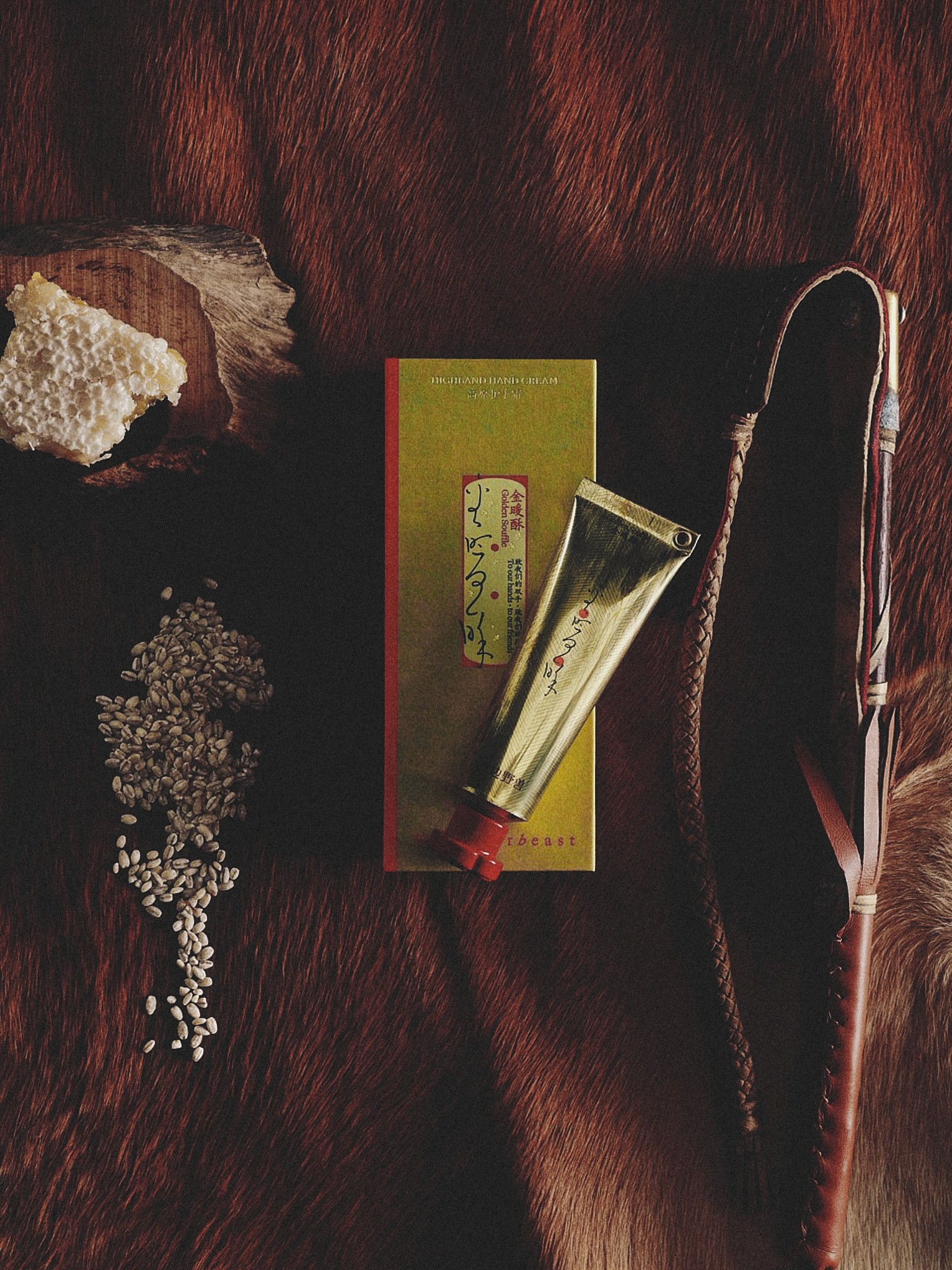
Herbeast invites you to a new journey. In Women and the Sea, we decided to take you through three intimate portraits of women living in the costal area of Quanzhou’s. From shore work to study abroad, from craft to faith, their strength is not a slogan but a daily practice: providing, choosing, making, and returning.
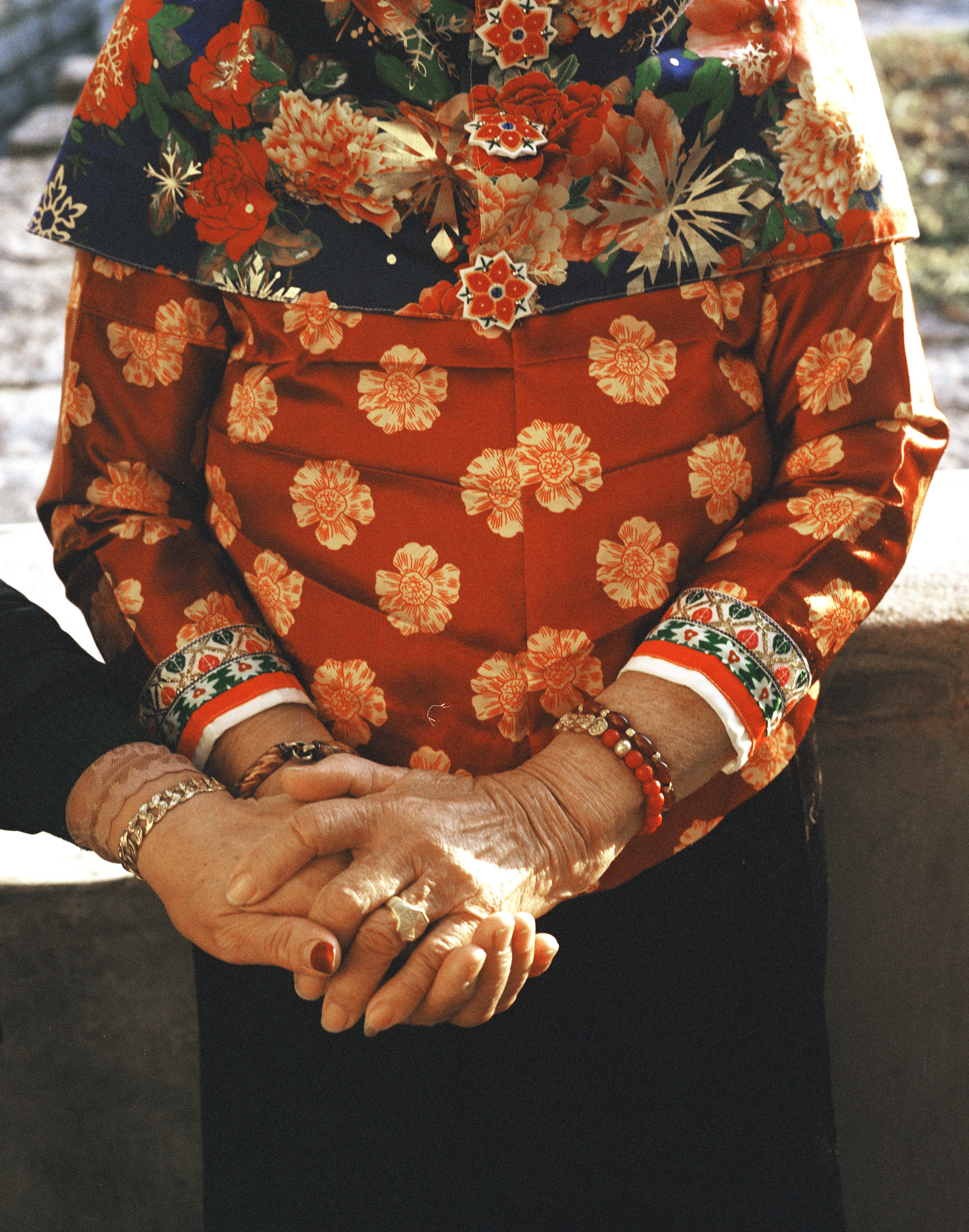
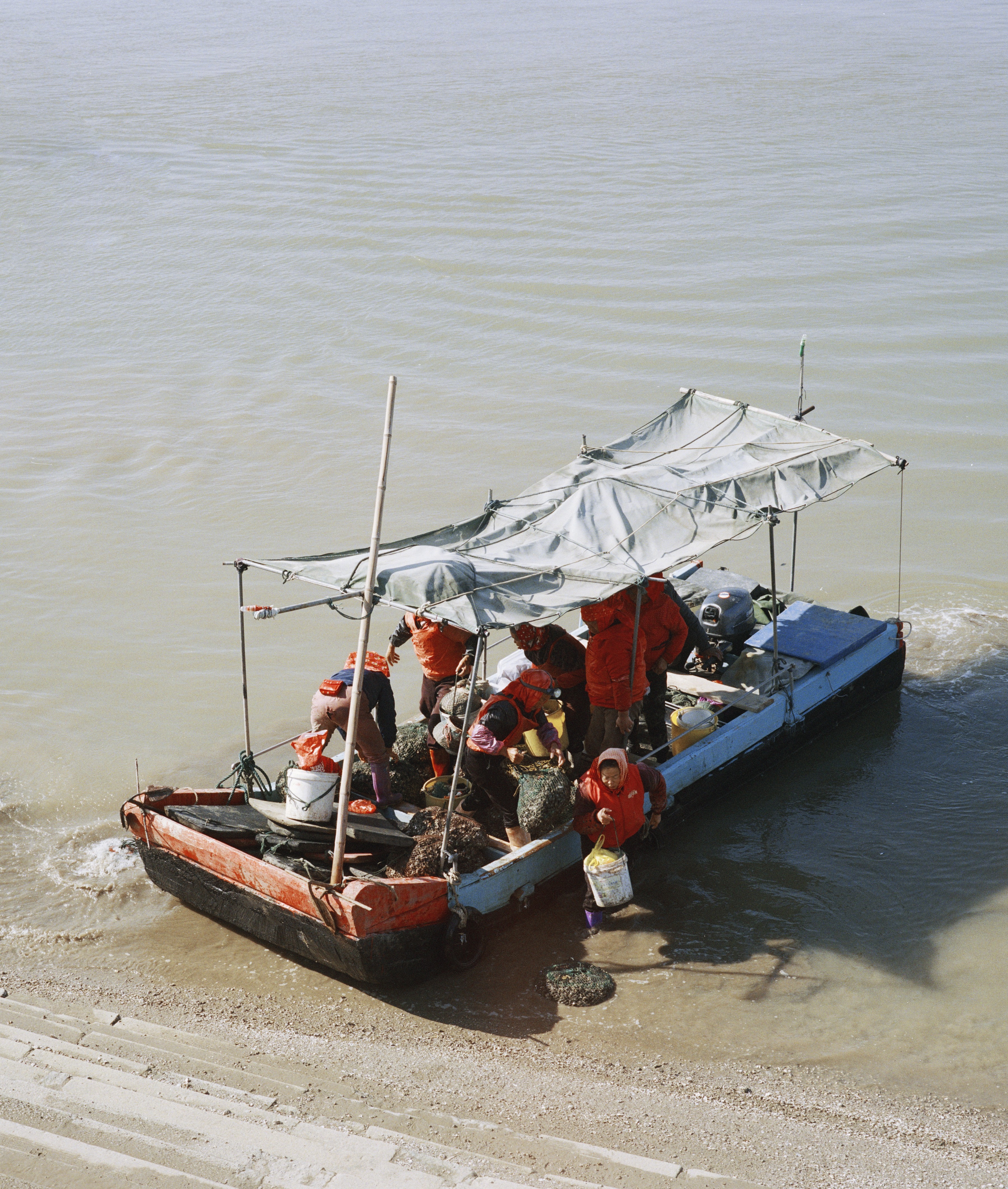
Quanzhou is a UNESCO World Heritage port city on China’s southeastern coast—once a major hub of global maritime trade, and still a place where the horizon feels inhabited: by routes, by departures, by returns. In Quanzhou, the sea is never just scenery. It is schedule, weather, work ethic, temperament. It decides when you wake, how you plan, what you carry, and what you learn to accept.
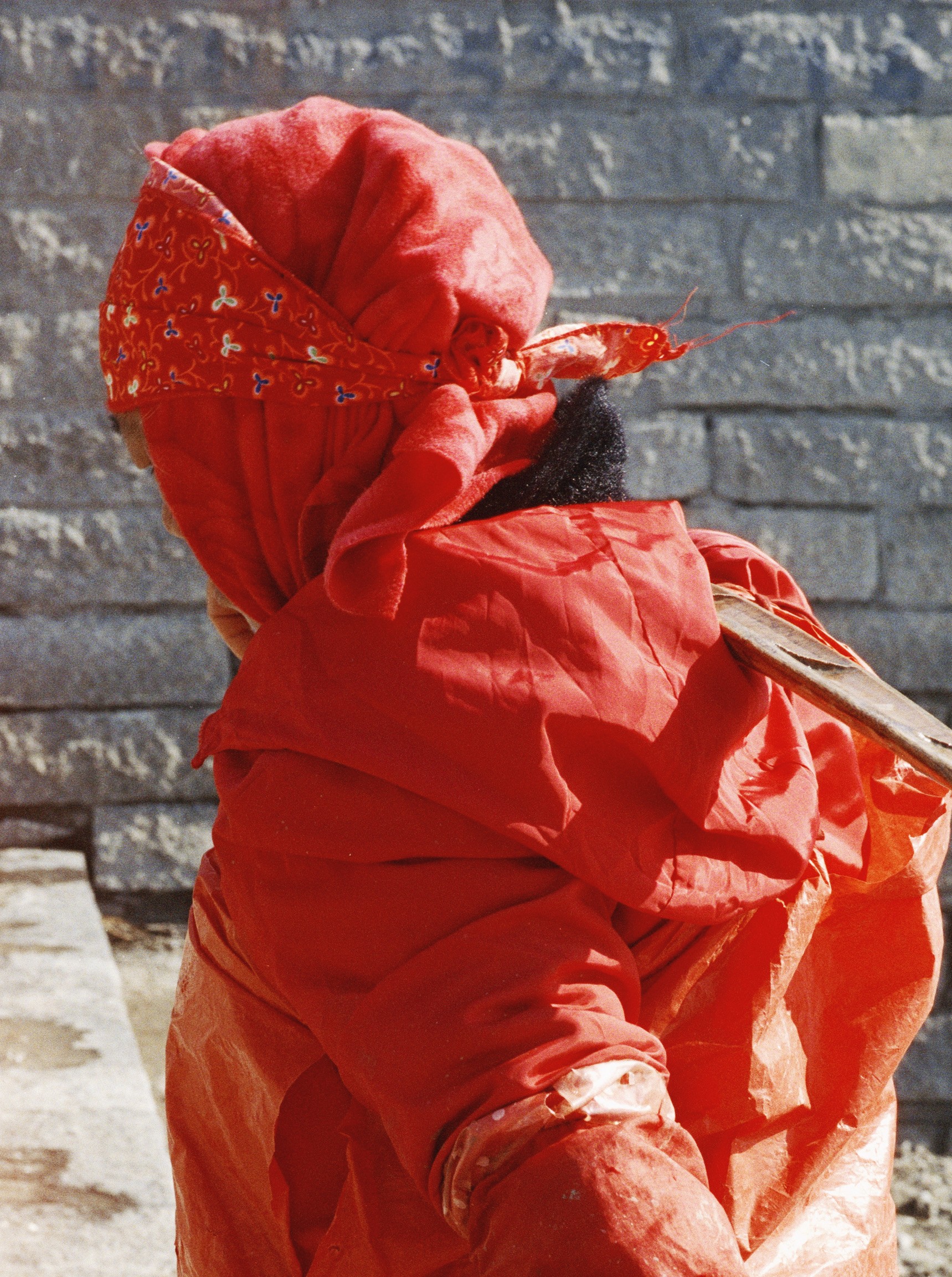
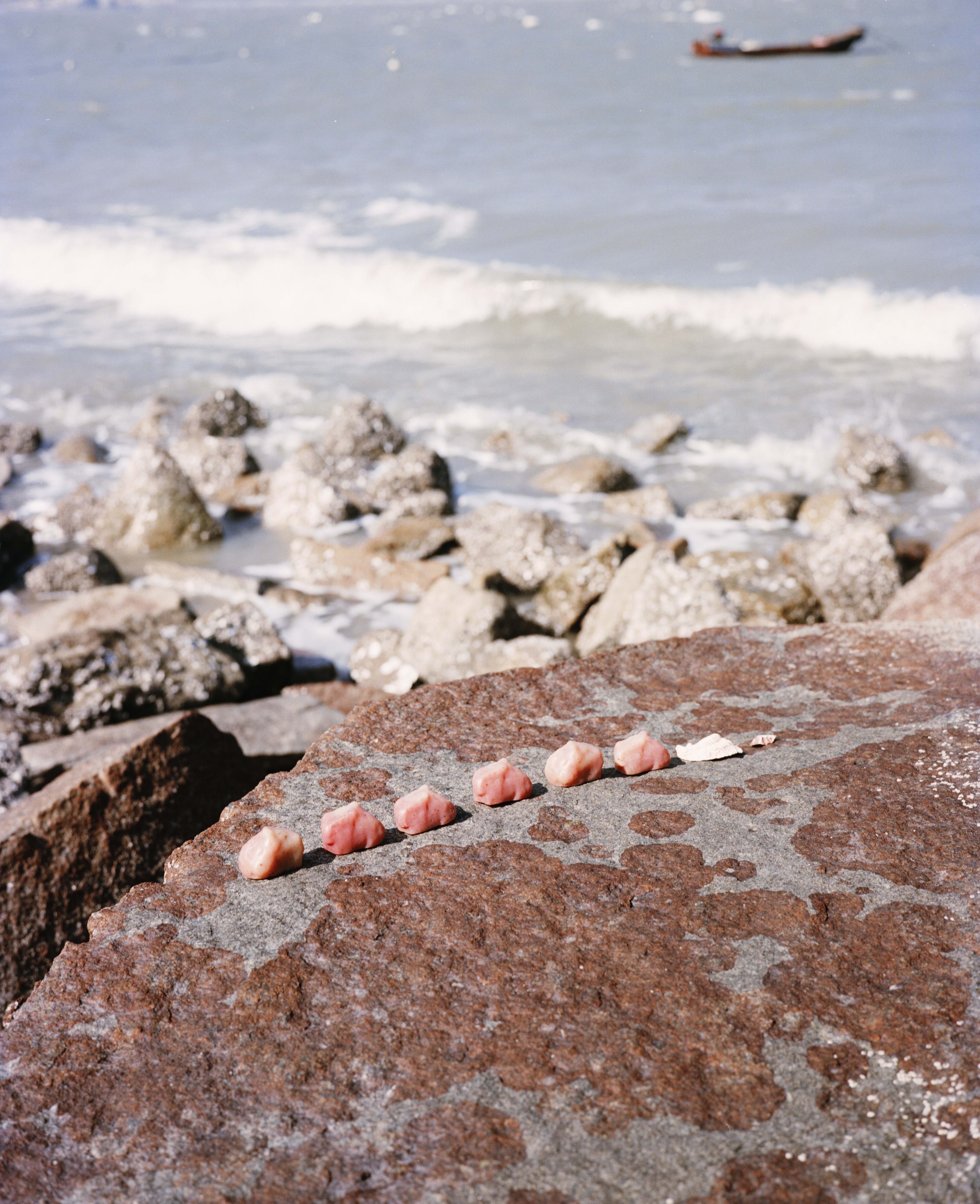
The sea as a philosophy
If you stay long enough by the water in Quanzhou, you notice that courage here is rarely theatrical. It doesn’t look like a slogan. It looks like competence. It looks like women who learned early that you can love your family deeply without letting your life shrink.
This is the paradox of coastal strength: it is both grounded and outward-facing. The horizon is always present, so the mind learns not to confuse “my village” with “the world", making small lives connected to a larger movement.
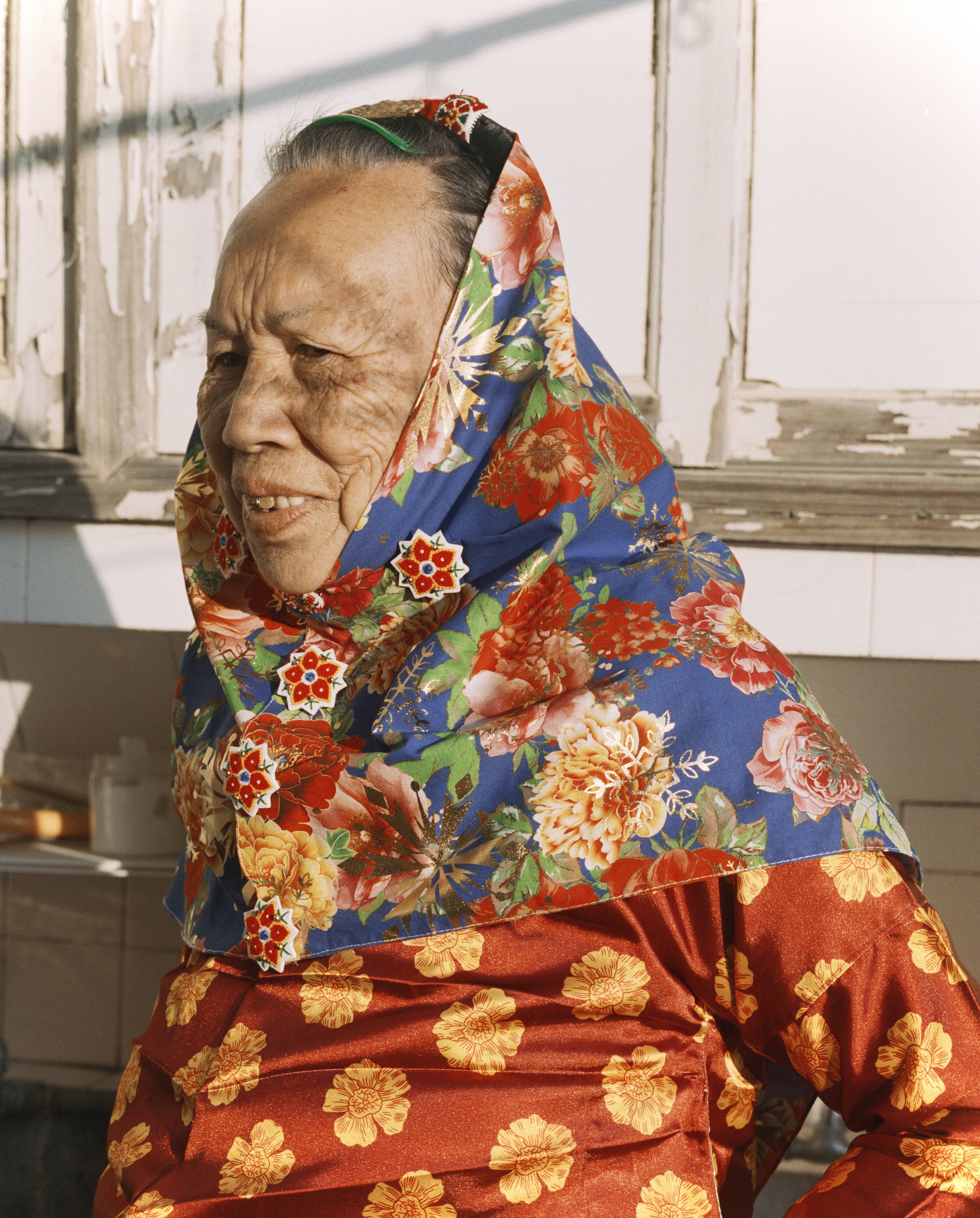
Jiang Yuegui, 83 — Chongwu
She lives in Chongwu, in a stone house that faces the sea. By the doorway, a small patch of green—celery, cabbage, scallions, garlic—grown for a simple reason: when the younger ones come home, they never leave empty-handed. Not just with food, but with the feeling of being held.
She married at 21. When her husband went offshore, she stayed with the shorework—shucking oysters, carrying the catch to market before dawn. She rarely calls it “strength.” It was simply life, and the next thing that needed doing.
What she did insist on was this: her children would study—sons and daughters, equally. No special fate assigned by gender. No soft excuses.
Q: Does the moon feel different here, by the sea?
A: “You can see the moon anywhere.”
She says it plainly, almost amused. The moon isn’t a luxury reserved for poets; it belongs to everyone. And in that one sentence, you hear her kind of warmth: unsentimental, practical, quietly generous—the kind that keeps a family, and a coastline, together.
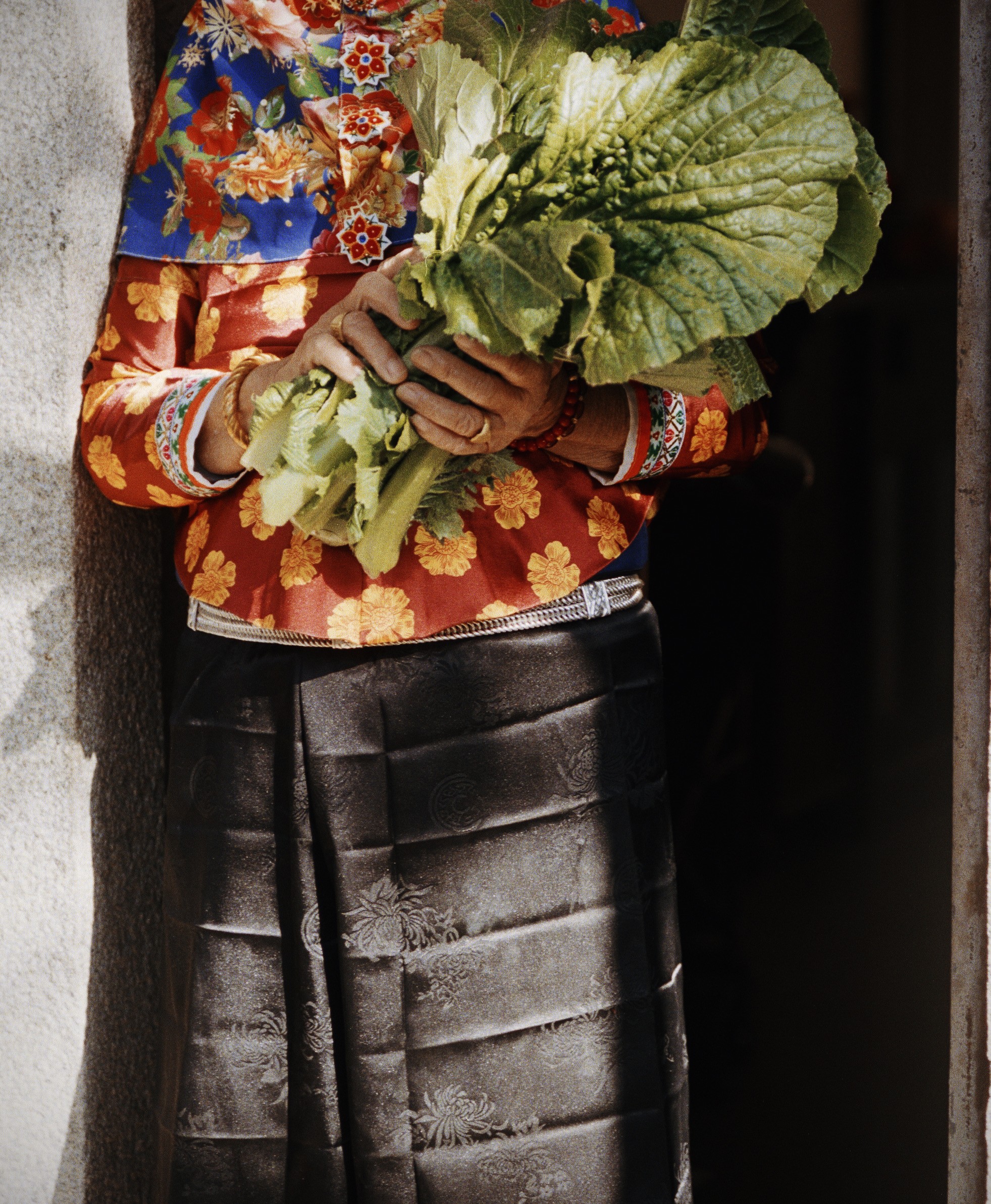
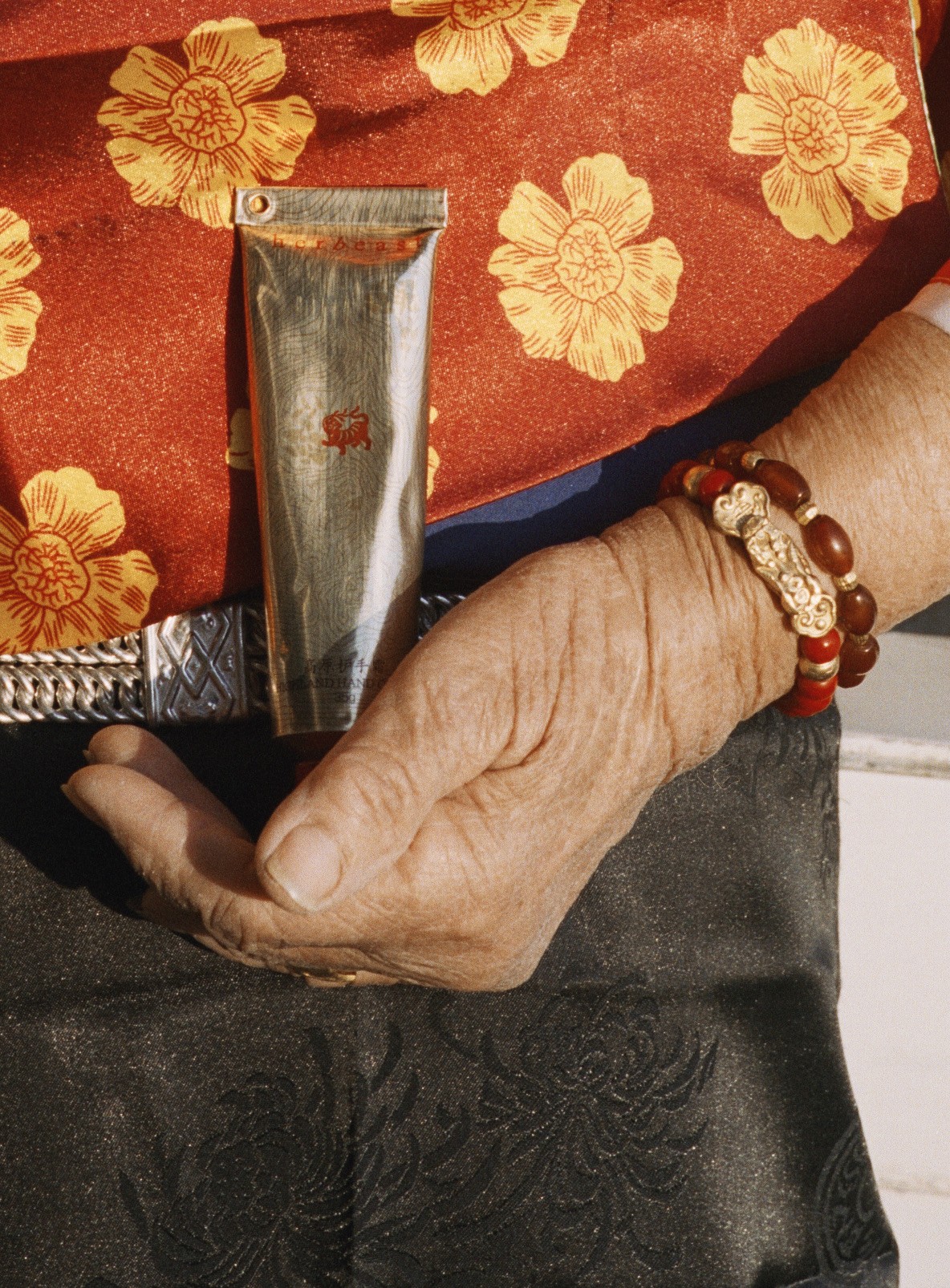
Huang Shu, 62 — Xunpu
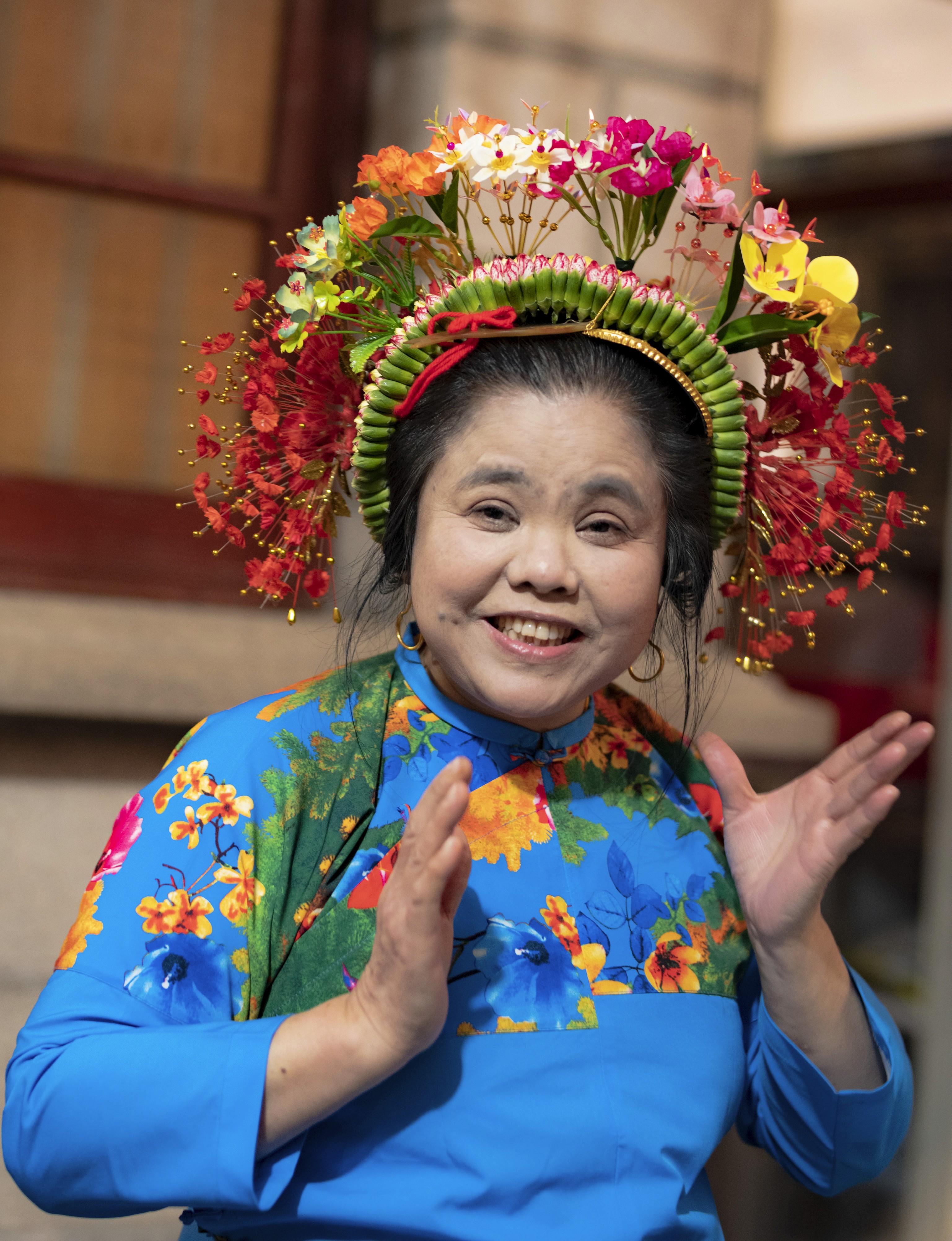
She makes zanhua floral headpieces by hand. Before wedding season, orders come in one after another, and her table turns into a practical mess: silk flowers, elastic bands, sequins, small gold beads. She picks through it all with the ease of someone who’s done this for years—nothing theatrical, just steady hands and a good eye.
She also helps with local rituals for Mazu, the sea goddess. For her, it’s not about “belief” as an idea. It’s about showing up: keeping dates, preparing what’s needed, being there with others—especially in a place where the sea reminds you that not everything is in your control.
Q: What does strength mean to you?
A: Independence. Not waiting. Not relying. Building a life with your own hands.
She says it simply. Then she goes back to work. And somehow that’s the point: strength, here, isn’t a posture. It’s a habit.
Wang Yupeng, 23 — Between Quanzhou and Canada
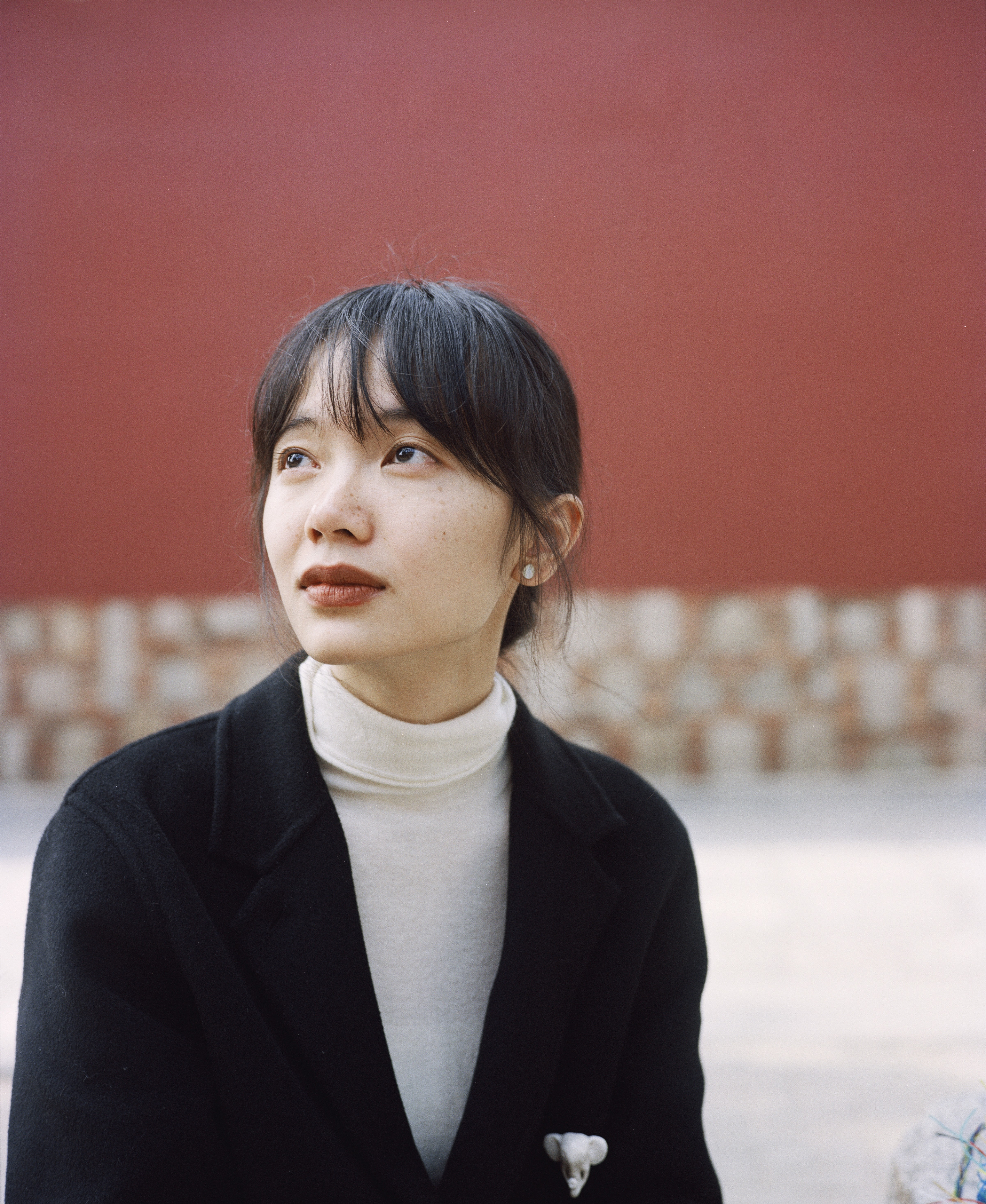
She studies in Canada and comes back to Quanzhou when she can. Home means family, familiar streets, and the sea always sitting in the background, like a baseline you don’t notice until you’ve been away.
She’s been researching caigu—women who chose a religious life and are often judged for it. What interests her isn’t the label. It’s the choice: what it takes to keep your direction when other people keep trying to explain your life for you.
Q: What matters most for a woman?
A: “To have something you can trust.”
She doesn’t make it grand. It sounds practical—almost like advice you’d give a friend. Something you can trust: a person, a craft, a belief, your own judgment. An anchor you can come back to, wherever you are.
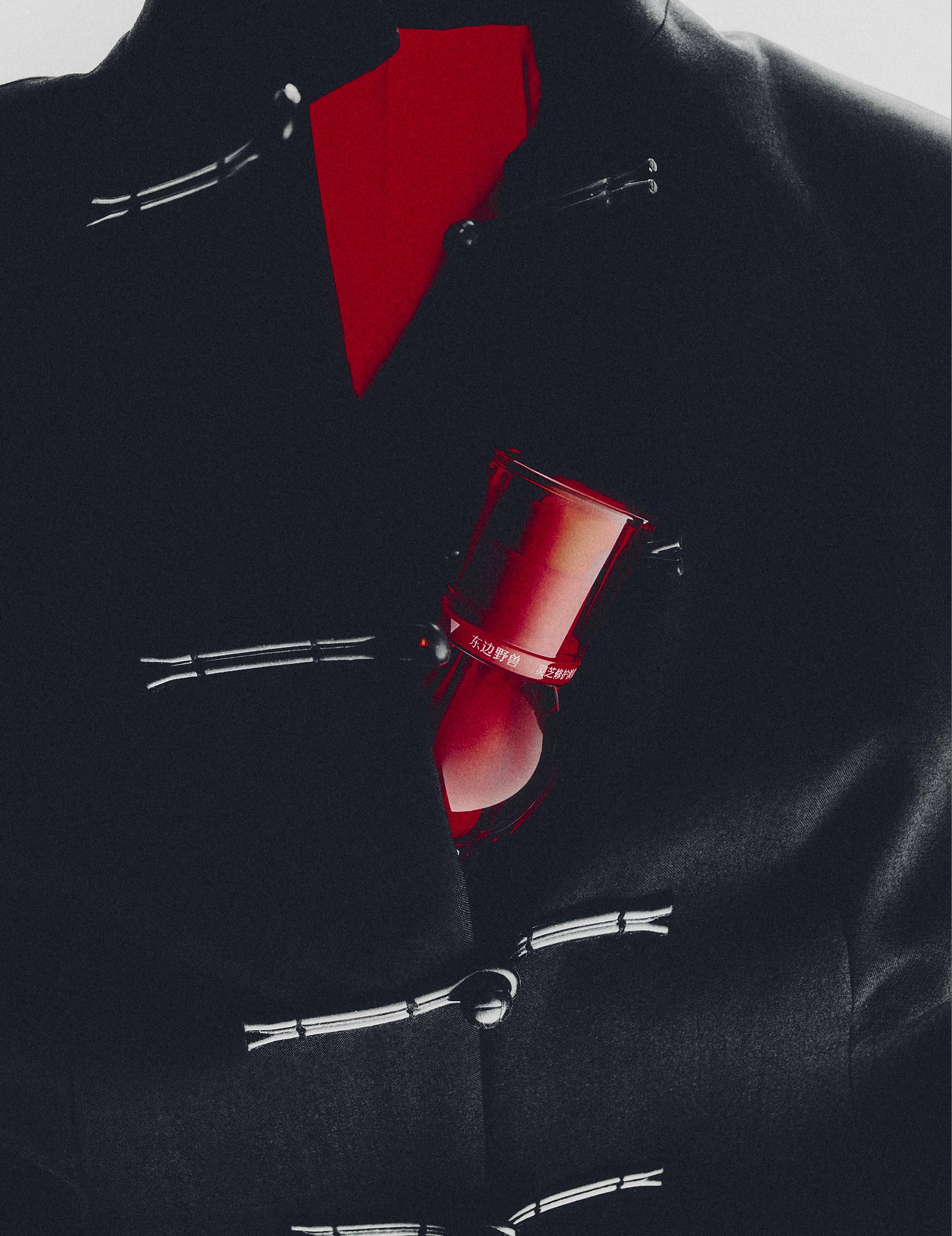
Related objects & Rituals